新書推薦:
《
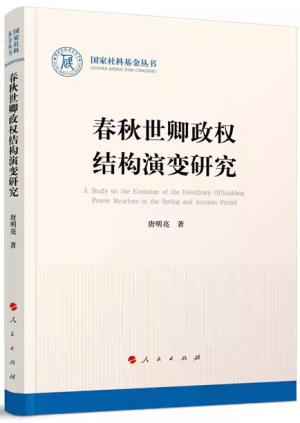
春秋世卿政权结构演变研究
》
售價:NT$
398

《
幸福家庭的法律密码
》
售價:NT$
347
《
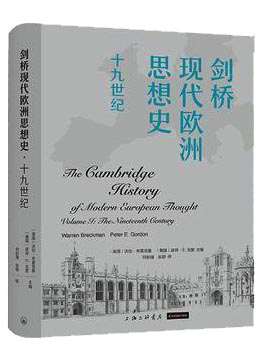
剑桥现代欧洲思想史·十九世纪
》
售價:NT$
607
《
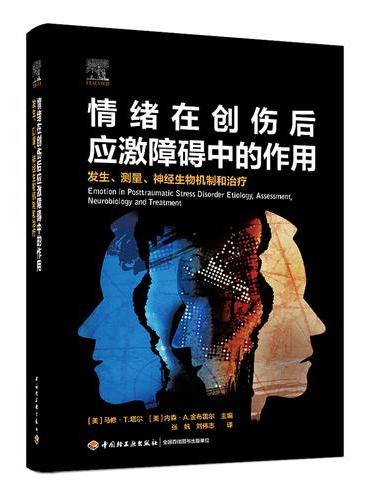
情绪在创伤后应激障碍中的作用:发生、测量、神经生物机制和治疗
》
售價:NT$
653
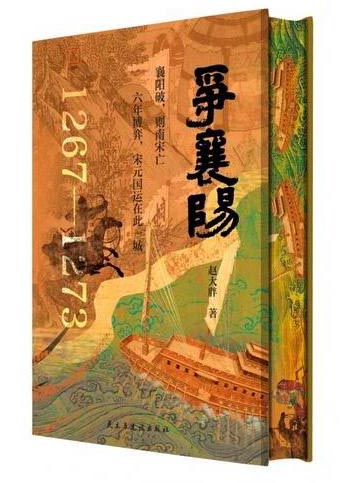
《
争襄阳:宋元国运之战
》
售價:NT$
449
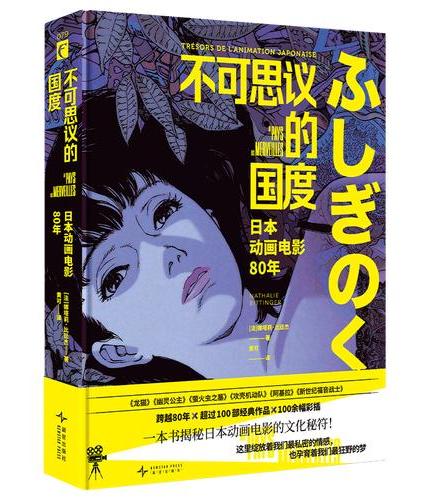
《
不可思议的国度 日本动画电影80年
》
售價:NT$
959
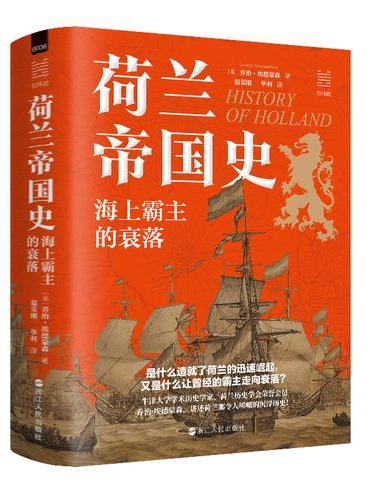
《
经纬度丛书·荷兰帝国史:海上霸主的衰落
》
售價:NT$
398
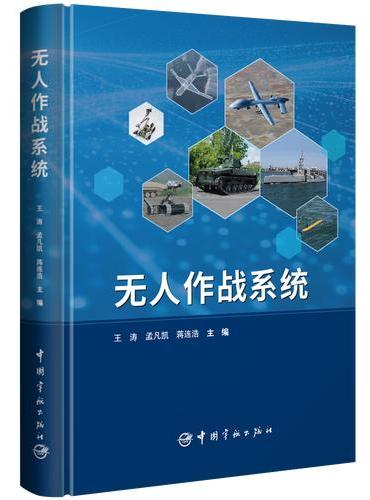
《
无人作战系统
》
售價:NT$
500
|
| 內容簡介: |
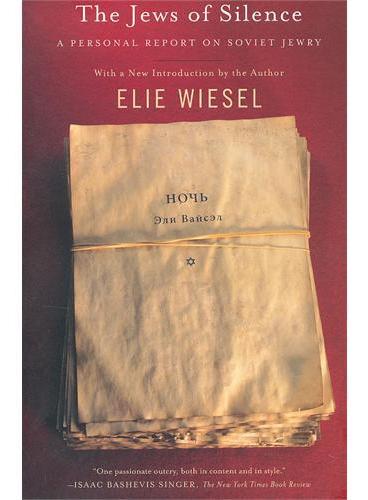
In the fall of 1965 the Israeli newspaper Haaretz sent a young
journalist named Elie Wiesel to the Soviet Union to report on the
lives of Jews trapped behind the Iron Curtain. “I would approach
Jews who had never been placed in the Soviet show window by Soviet
authorities,” wrote Wiesel. “They alone, in their anonymity, could
describe the conditions under which they live; they alone could
tell whether the reports I had heard were true or false—and whether
their children and their grandchildren, despite everything, still
wish to remain Jews. From them I would learn what we must do to
help . . . or if they want our help at all.”
What he discovered astonished him: Jewish men and women, young and
old, in Moscow, Kiev, Leningrad, Vilna, Minsk, and Tbilisi,
completely cut off from the outside world, overcoming their fear of
the ever-present KGB to ask Wiesel about the lives of Jews in
America, in Western Europe, and, most of all, in Israel. They have
scant knowledge of Jewish history or current events; they celebrate
Jewish holidays at considerable risk and with only the vaguest
ideas of what these days commemorate. “Most of them come [to
synagogue] not to pray,” Wiesel writes, “but out of a desire to
identify with the Jewish people—about whom they know next to
nothing.” Wiesel promises to bring the stories of these people to
the outside world. And in the home of one dissident, he is given a
gift—a Russian-language translation of Night, published
illegally by the underground. “‘My God,’ I thought, ‘this man
risked arrest and prison just to make my writing available to
people here!’ I embraced him with tears in my eyes.”
|
| 關於作者: |
Elie Wieselwas awarded the Nobel Peace Prize in
1986. The author of more than fifty internationally acclaimed works
of fiction and nonfiction, he is Andrew W. Mellon Professor in the
Humanities and University Professor at Boston University.
|
|

 購物車/收銀台(0) | 在線留言板
| 付款方式
| 聯絡我們
| 運費計算
| 幫助中心 |
加入書簽
購物車/收銀台(0) | 在線留言板
| 付款方式
| 聯絡我們
| 運費計算
| 幫助中心 |
加入書簽 HOME
HOME 新書上架
新書上架